

Blowing Rocks Preserve
Tucked along the scenic shores of Jupiter, The Blowing Rocks Preserve is a place of incredible natural beauty. This unique barrier island, right on Jupiter’s doorstep, gives visitors and locals a chance to connect with Florida’s wild side, while playing an active role in preserving it.
Rachel Rowney & Nikko Karki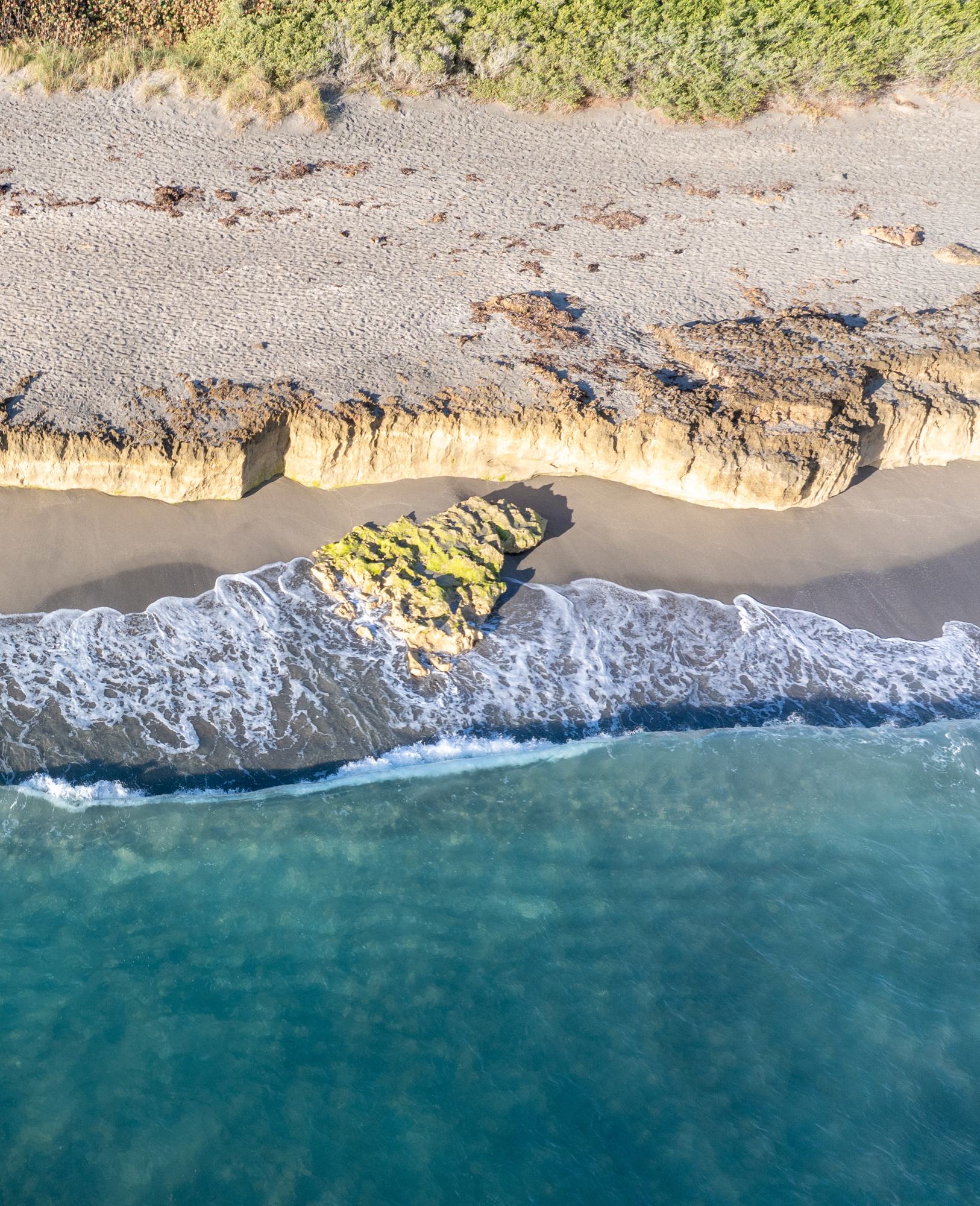 The limestone shore at Blowing Rocks
Blowing Rocks Preserve is just one of the many places of outstanding natural beauty in the region. Managed by The Nature Conservancy, this sanctuary is home to striking limestone formations, diverse flora and fauna, and coastal wildlife. The preserve gets its name from bursts of saltwater that shoot up to 50 feet from the limestone rocks at high tide.
In an exclusive conversation with JUP, Cristin Krasco, Preserve Manager of Blowing Rocks Preserve, shares how it balances welcoming visitors with its mission of protecting these precious habitats.
What is The Nature Conservancy?
The Nature Conservancy (TNC) is a global environmental nonprofit working to create a world where people and nature can thrive. Our mission is to conserve the lands and waters on which all life depends.
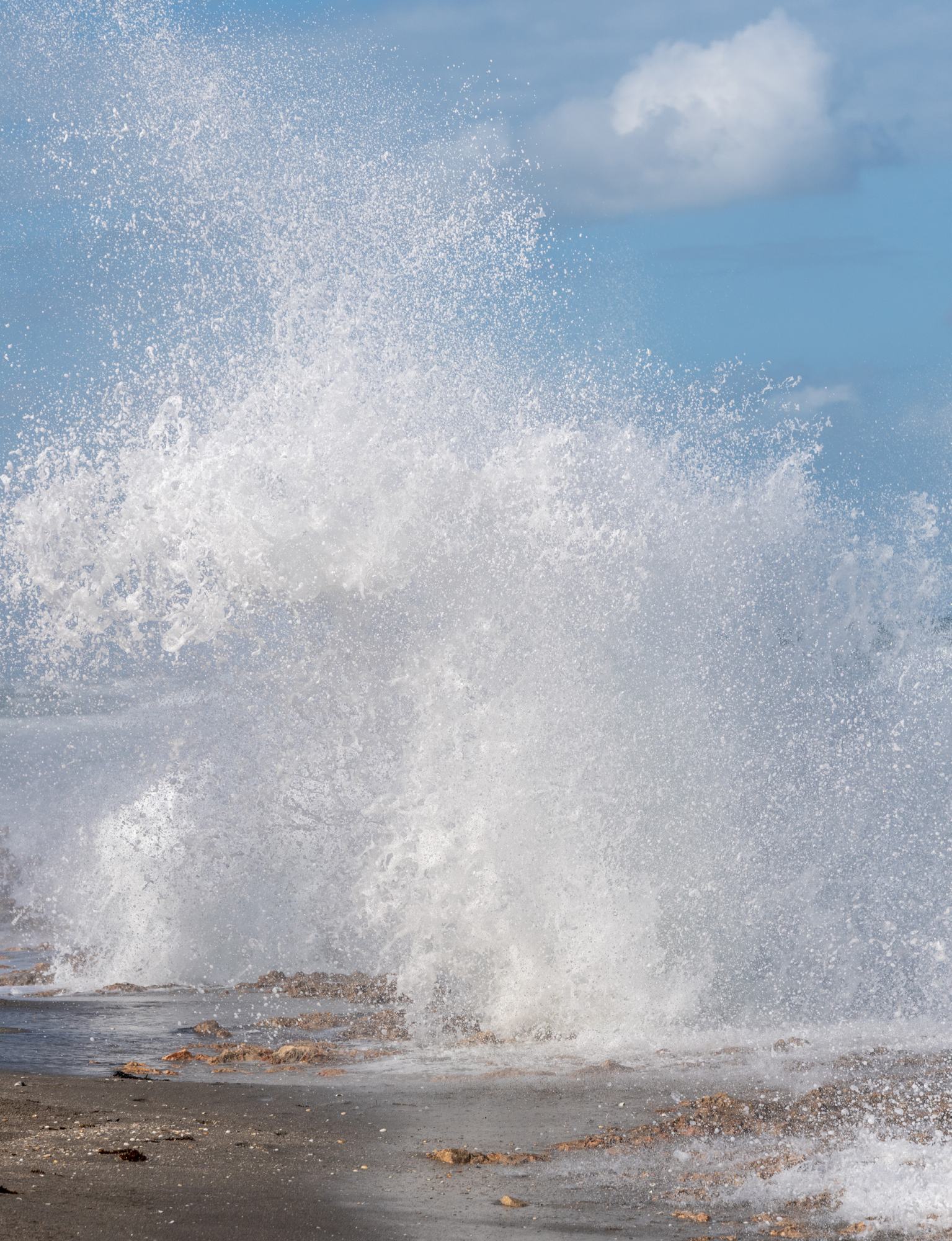 A plume at high tide
How do you balance visitors with the need to protect these sensitive habitats?
We provide protected access to Blowing Rocks Preserve’s sensitive habitats through elevated boardwalks, such as our accessible Mangrove Boardwalk that takes visitors through a mangrove forest to Indian River Lagoon, and short trails and scenic walks through our dunes, lagoon, and beach. Visitors can also experience a native habitat through our Pollinator Garden Scenic Walk. We know that by educating our visitors, they will value and protect nature.
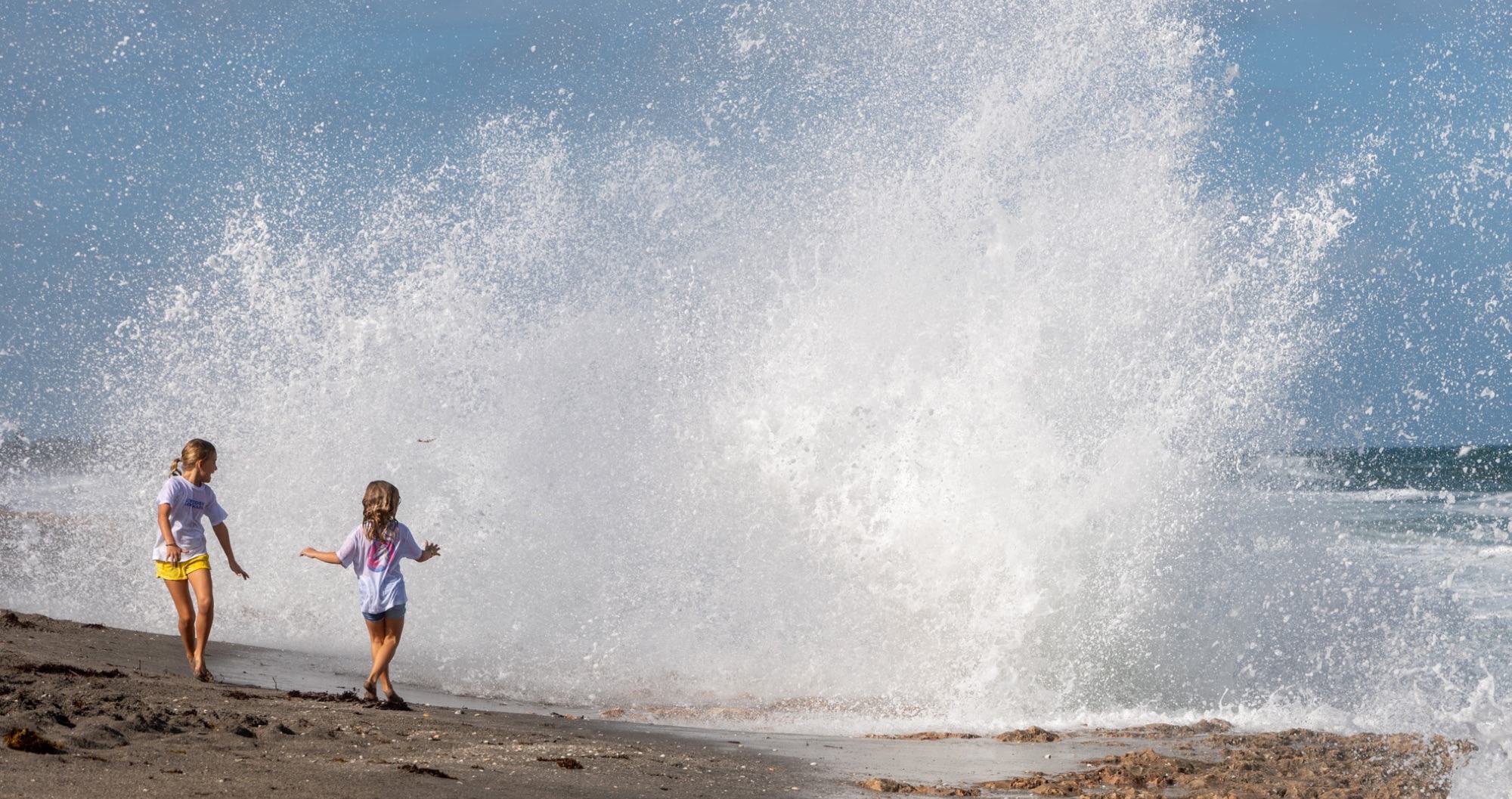 The girls in the spray
What can visitors expect at Blowing Rocks Preserve?
Visitors can expect to experience natural Florida, including native plants and wildlife along our beach, coastal forests, and shoreline. Activities include swimming and snorkeling at the beach and wildlife observation on our three hiking trails.
What makes this preserve unique compared to other nature reserves in Florida?
Blowing Rocks Preserve was named for its rocky Anastasia limestone shoreline. At high tide when the sea is rough, the sea breaks against the rocks and forces plumes of saltwater up to 50 feet skyward. Hence, ‘blowing rocks’. Anastasia limestone extends along Florida’s coast from St. Augustine to Boca Raton, and Blowing Rocks Preserve harbors the largest outcropping on the US Atlantic coast. The land here might have once been part of an exposed sand ridge or the top of a reef, resulting in a limestone outcrop that is higher than surrounding areas.
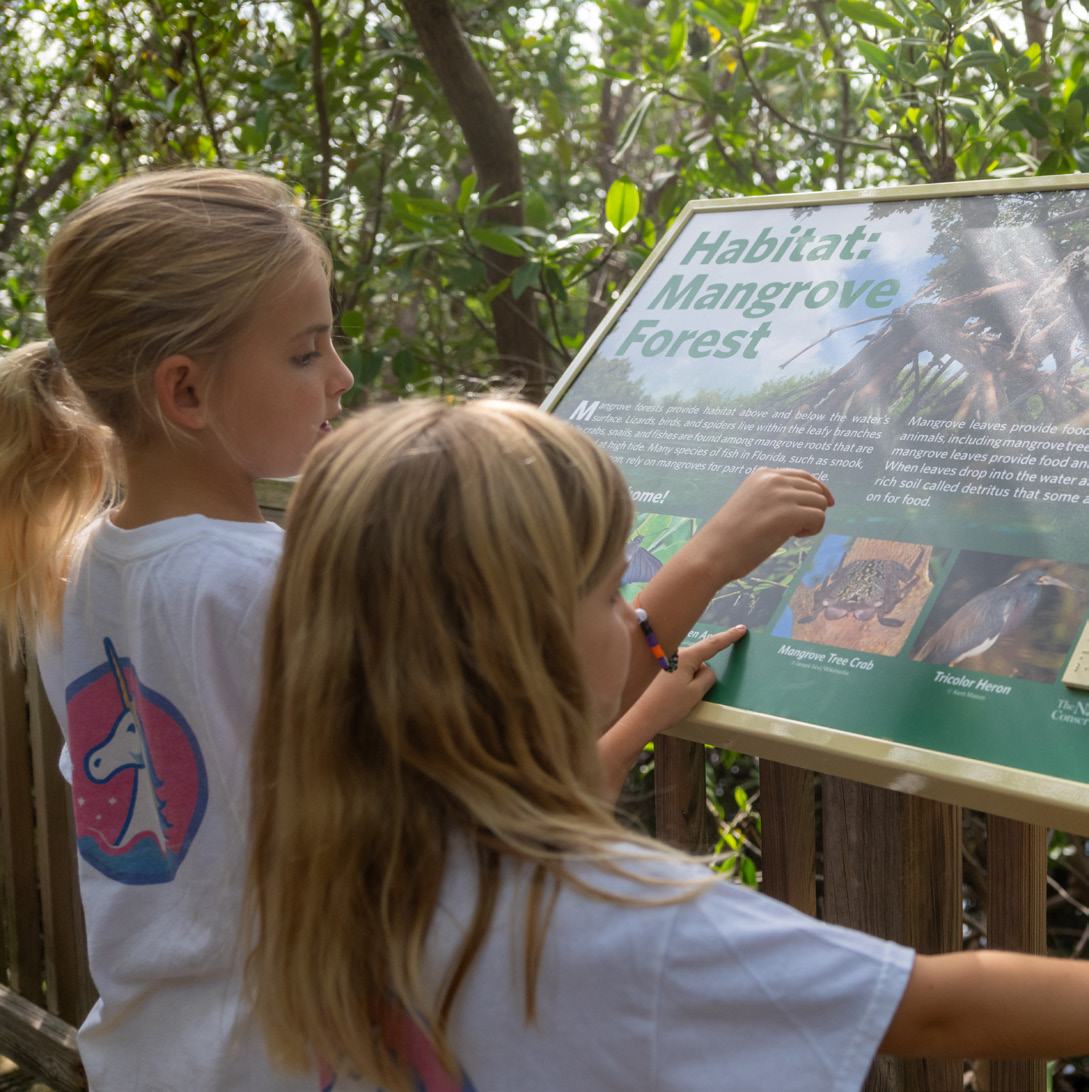 Reading the mangrove habitat sign
What are some of the key sustainability practices in place at the Blowing Rocks Preserve?
We partner with the Beach Bucket Foundation to provide ‘Box O’ Buckets’ clean-up stations that offer beach-lovers a chance to turn the tide on marine pollution. Visitors can grab a beach bucket and collect litter they see on the beach and other public areas. Then, they return their bucket to the kiosk near the beach entrance.
What roles do native plants and coastal ecosystems play in supporting the local environment?
Native plants support native wildlife. Coastal species are all connected in a delicate balance. For example, mangroves provide ideal hunting and hiding habitat for hermit crabs and other crustaceans, which are a food source for birds like great blue heron and mammals like raccoons and bobcats. Without native plants, native wildlife misses a key resource. Mangroves also help coastal ecosystems stay strong, holding sand in place as seas rise and during hurricane and high tide events.
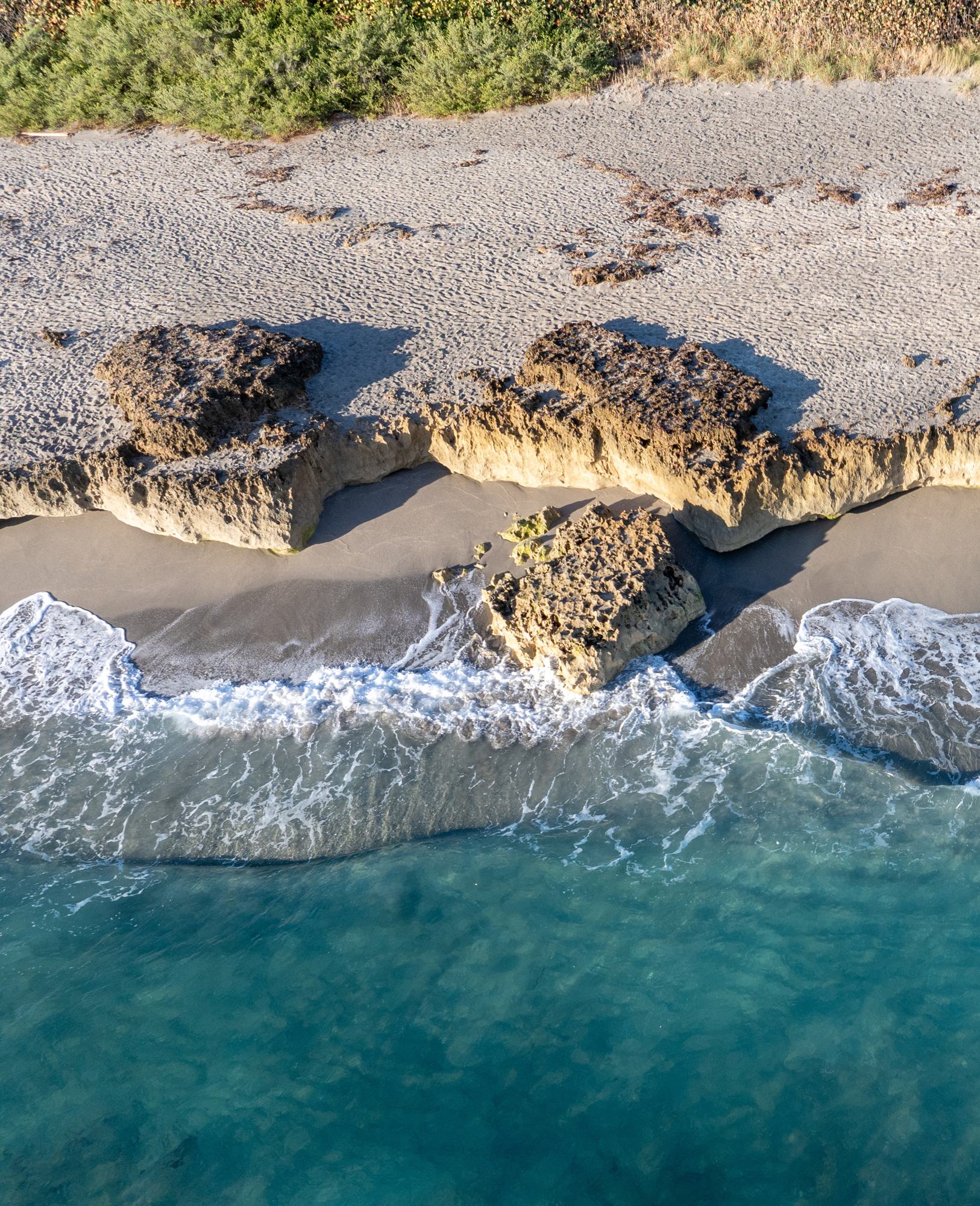 Anastasia limestone meets the Atlantic
“At high tide when the sea is rough, the sea breaks against the rocks and forces plumes of saltwater up to 50 feet skyward.”
Could you share more about the work being done to protect endangered species and habitats within the Blowing Rocks Preserve?
TNC’s Blowing Rocks Preserve monitors species like birds, sea turtles, and other reptiles. Our contributions inform studies that ultimately impact conservation efforts. We also grow native plants in our nursery with the help of our volunteers. These native plants, including various species of mangroves, are shared with community partners so they may be planted across Florida’s southeast coast.
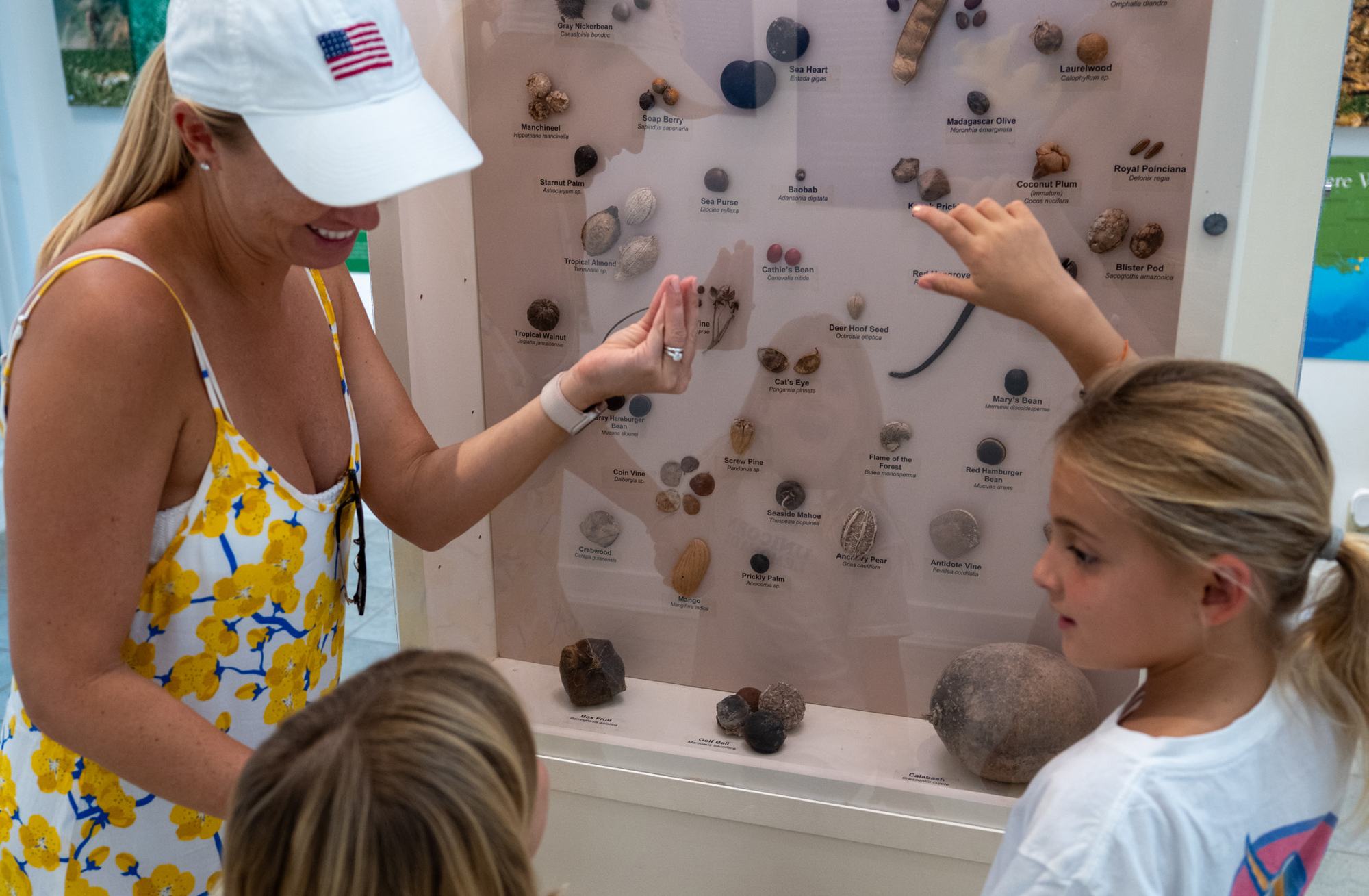 The shell wall in the nature center
How to Get Involved
Blowing Rocks Preserve hosts several events throughout the year, and supports local partners at community events. At the preserve, there are several ways to contribute to preservation efforts, including:
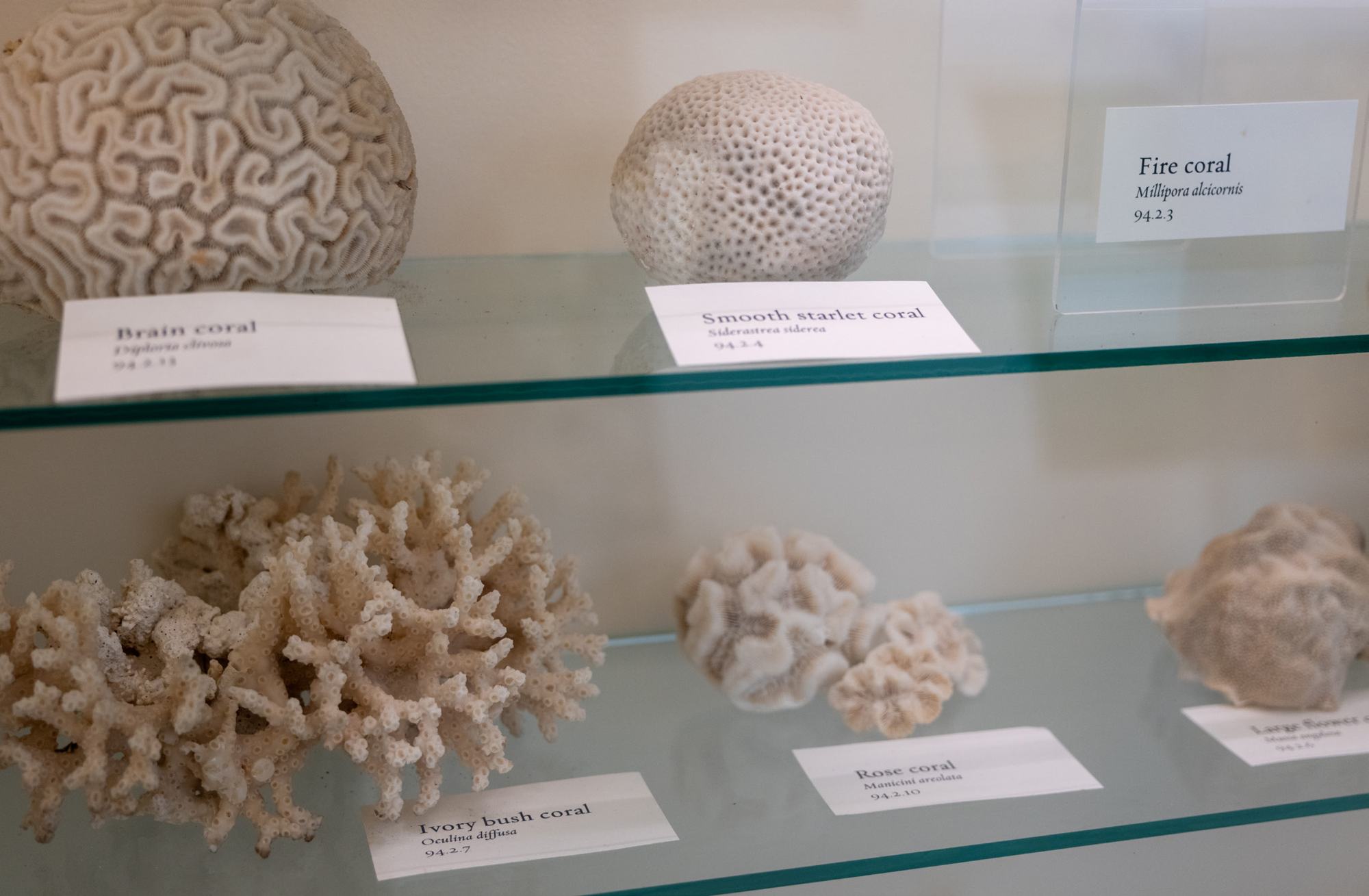 Corals in the Hawley Education Center
- 01Identifying species with the iNaturalist app
Visitors can join the scientific community by downloading the iNaturalist app and submitting photos of plants or wildlife observed during their visit to the project. Visitors can also earn badges as a student of nature on the Seek app.
- 02Documenting changes
Documenting changes to the shorelines and beach dune habitat at our Chronolog Station near the Dune Trail.
- 03Staying informed
Having the latest information about volunteering, educational opportunities, programs and activities sent to your email inbox, people can also subscribe to TNC’s Center for Conservation Initiatives (CCI) e-newsletter.
Blowing Rocks Preserve is a beautiful destination, but it’s also a place where visitors and the local community can celebrate Florida’s coastal habitat and learn how to protect it. Through hands-on conservation efforts, educational programs, and volunteer opportunities, the preserve encourages a connection between people and nature.
To learn more about Blowing Rocks Preserve, visit www.nature.org
Continue
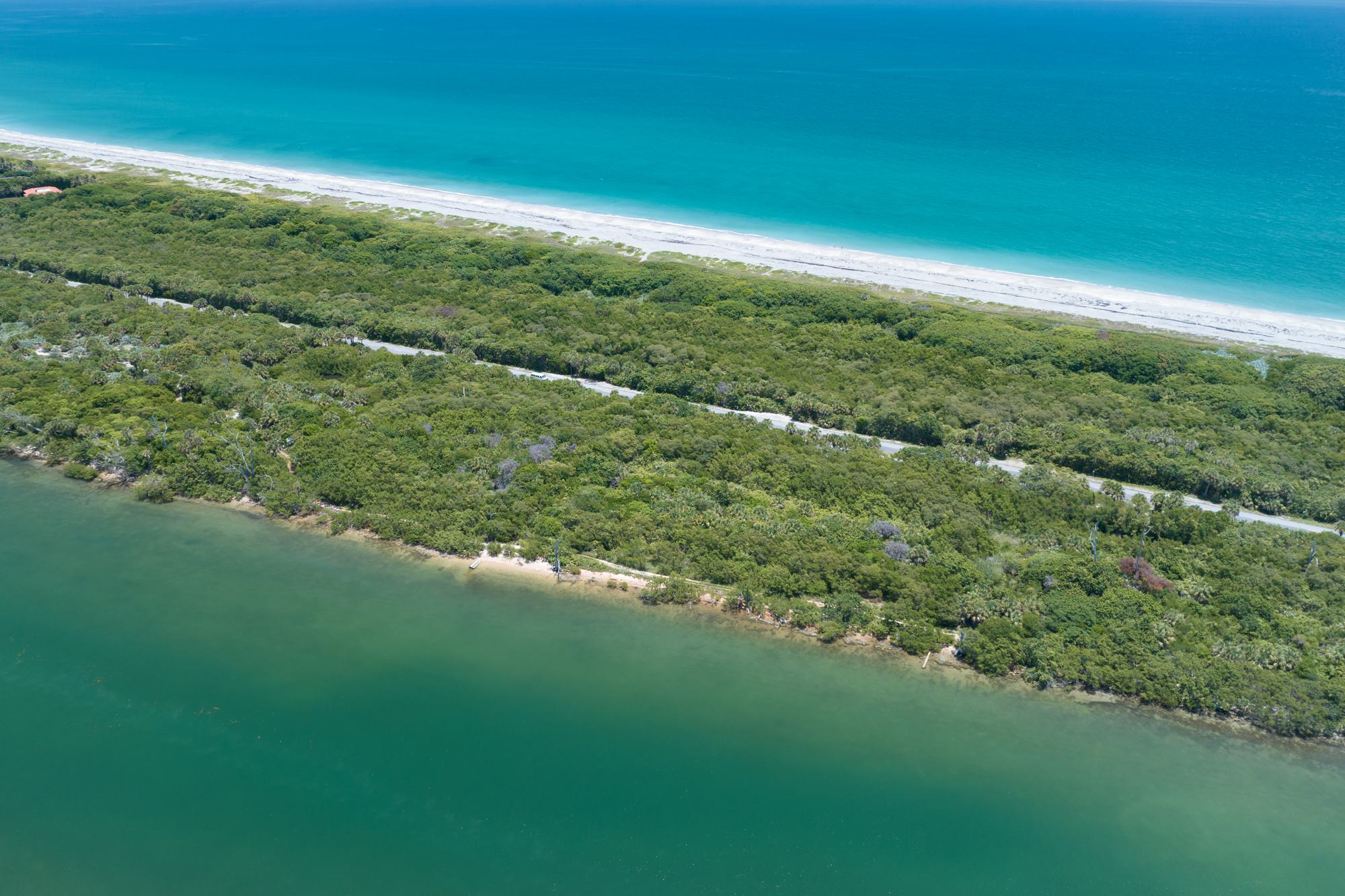
Jupiter’s Top 5 Nature Preserves
Follow us on a visual journey through the Top 5 Nature Preserves in Jupiter, each a gateway to the wonders of the natural world.
Nikko Karki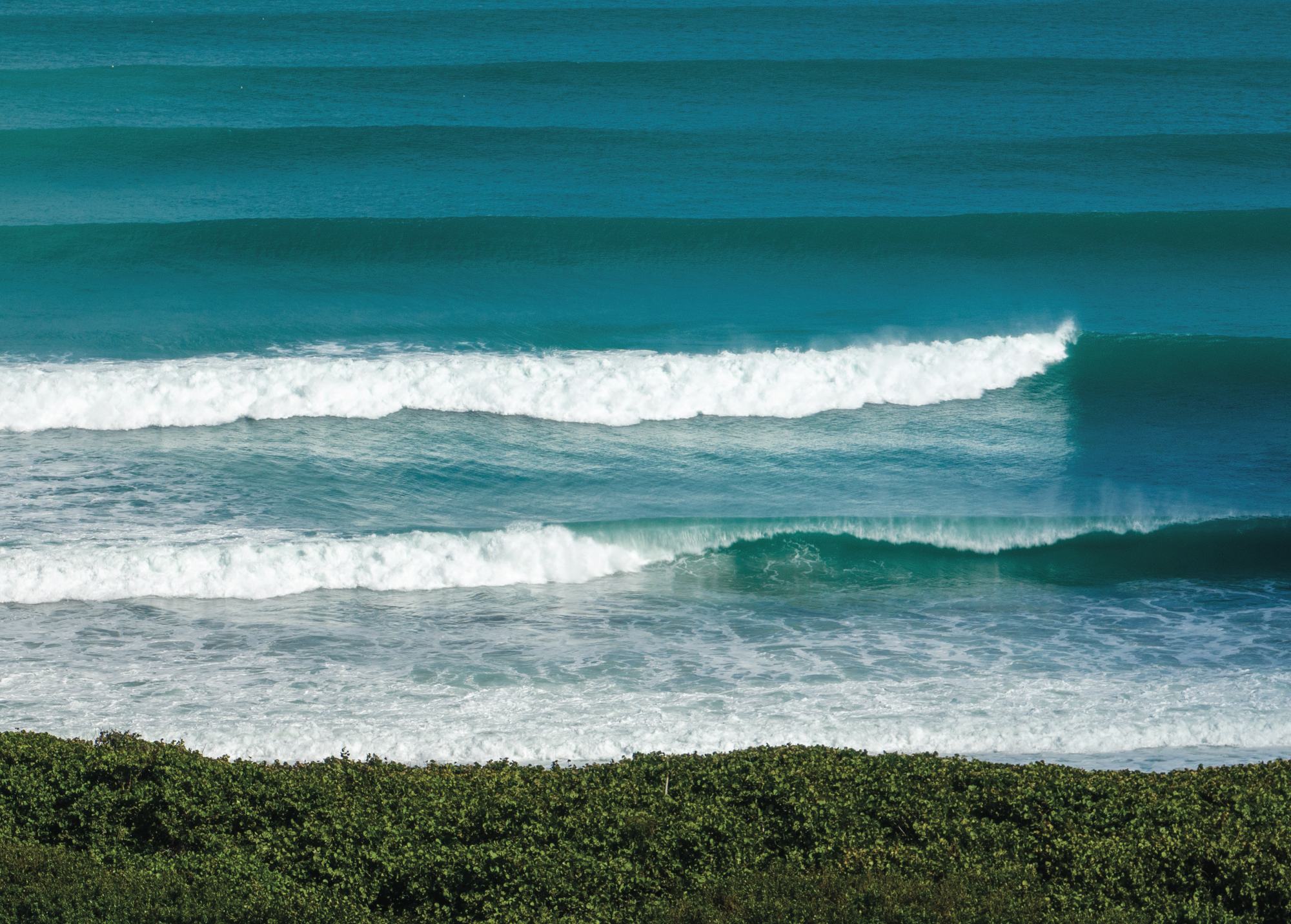
Naturally Breathtaking
One of the most wonderful things about Jupiter is not just its evident natural beauty but its unique commitment to environmental preservation.
Angela Audretsch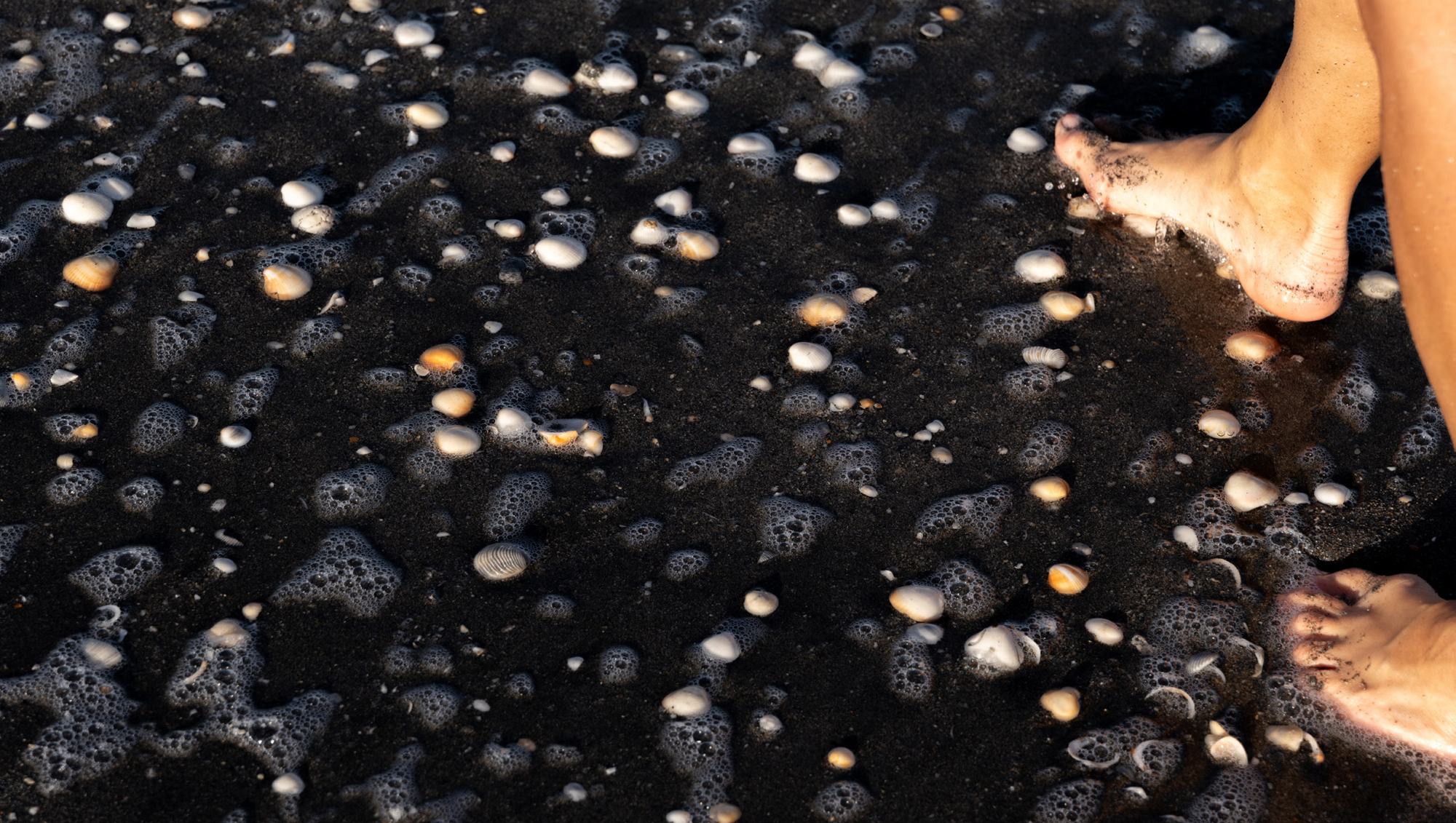
The Joy of Shark Tooth Hunting
Imagine a sun-soaked morning on Jupiter’s pristine beaches: the soft sand beneath your feet and the soothing sound of waves gently rolling in.
Camilla Chevillot